How do I make the perfect pizza dough?! Well there’s a question. There are pizza dough recipes galore out there, and one, from Associazione Verace Pizza Napoletana, that dictates exactly how to make the perfect pizza dough.
For a 14-page breakdown , visit the association’s website to get the lowdown on the absorption, stability and value index of the ‘perfect’ pizza flour. It also tells you the recommended water temperature for dough making and the optimum proving time based on the yeast used.
Yes, it really can get that detailed.
What is the secret to making a professional pizza dough?
In summary, the water temperature and flour type are your key when it comes to pushing the pizza dough boat out. Choose Tipo ’00’ or ‘0’, both incredibly fine, refined white flour with a power quality to it. No seeds, no bran, no germ. Just flour.
Your water should be lukewarm, between 16 and 22°C with a pH of 6 to 7.
Base your dough making on the amount of water you’re using, and the Verace Pizza Napoletana guys say never add fat or sugar.
Water: 1 litre (1000 ml)
Salt: 40-60 grams
Yeast (based on temperature and humidity):
Fresh beer yeast 0.1-3 grams
Mother Yeast 5 to 20% of flour used
Dry yeast 1/3 of fresh yeast used (1 gram of dry for 3 grams of fresh
Flour: 1,600/1,800 grams (depending on the degree of absorption)
Lukewarm water will wake up the yeast – water that is too hot will kill it, making your dough unusable. When the water and yeast meet it should bubble. If it doesn’t froth, you may as well start again.
Mix the dry ingredients into the water using a mixer with dough hook until it’s “sticky, soft and elastic to the touch”. Turn it out and cover it with a damp cloth then leave it rest for between an hour and 90 minutes. After resting, portion out dough balls of 200 to 280 grams.
Leave the dough balls to prove either in a warm place for another hour to 90 minutes, or cold prove it for up to three days in a fridge for a more complex flavour and texture. Leaving pizza dough to prove any longer and the yeast’s sugar starts to convert to alcohol, which messes with the flavour and makes the crust too dense.
When should I make my pizza dough?
You need to plan ahead. There are high-speed pizza dough recipes out there, but they’re only really perfect if quick pizza is your perfection.
For pro pizza dough, you should be prepared to wait a couple of days from initially bringing together the water, flour, yeast and salt.
Do I add sugar or oil?
The Neapolitan puritans forbid it, but there’s many a pizza chef that swears by adding sugar and oil. And it’s not just a flavour thing.
Adding sugar gives the yeast a little boost, helping it create more bubbles; it also gives the crust a darker crust when the pizza comes out of the oven. And oil puffs up the dough as well as giving the cooked pizza a biteable tenderness.
What are your perfect pizza dough secrets? Let us know in Instagram and Twitter.
White Pizza! I have fallen in love with this pizza and it’ll be a regular part of my repertoire this summer! The combination of salty cheese, sweet pear and earthy new potatoes with chives is to die for and ticks all my boxes. Serve with rocket and some artichoke hummus on the side. Method For [...]
Potato, Olive and Smoked Cheddar Pizza! Potato, olive, rosemary and smoked cheese pizza - Quickes’ Smoked Cheddar melted over slithers of new potato is comforting and woody. Wonderful with a few briny Real Olive Company Organic Olives and sprigs of rosemary for an authentic Mediterranean vibe. Try with air dried ham for a meaty version [...]
Carbonara pizza oven bites! These little bite-size pastry treats are smoky and rich. Perfect for a starter or al fresco canape. The smoked pancetta and nutty parmesan absorb the wood fired aroma and it’s a lovely twist on a classic quiche Lorraine. Method Preheat your pizza oven to 250˚C and move the fire to one [...]
Caramelised Red Onion, Squash and Kale Pizza! Autumnal warming pizza with plenty of umami depth and sweet caramelised goodness. Try this pizza finished with chilli oil or some dollops of sage pesto. Method Preheat your pizza oven to 375˚C and roll out your dough. Place onto a floured peel and start by spreading a [...]


How to make perfect pizza dough
For a 14-page breakdown , visit the association’s website to get the lowdown on the absorption, stability and value index of the ‘perfect’ pizza flour. It also tells you the recommended water temperature for dough making and the optimum proving time based on the yeast used.
Yes, it really can get that detailed.
What is the secret to making a professional pizza dough?
In summary, the water temperature and flour type are your key when it comes to pushing the pizza dough boat out. Choose Tipo ’00’ or ‘0’, both incredibly fine, refined white flour with a power quality to it. No seeds, no bran, no germ. Just flour.
Your water should be lukewarm, between 16 and 22°C with a pH of 6 to 7.
Base your dough making on the amount of water you’re using, and the Verace Pizza Napoletana guys say never add fat or sugar.
Source: https://www.pizzanapoletana.org/en/ricetta_pizza_napoletana
Lukewarm water will wake up the yeast – water that is too hot will kill it, making your dough unusable. When the water and yeast meet it should bubble. If it doesn’t froth, you may as well start again.
Mix the dry ingredients into the water using a mixer with dough hook until it’s “sticky, soft and elastic to the touch”. Turn it out and cover it with a damp cloth then leave it rest for between an hour and 90 minutes. After resting, portion out dough balls of 200 to 280 grams.
Leave the dough balls to prove either in a warm place for another hour to 90 minutes, or cold prove it for up to three days in a fridge for a more complex flavour and texture. Leaving pizza dough to prove any longer and the yeast’s sugar starts to convert to alcohol, which messes with the flavour and makes the crust too dense.
When should I make my pizza dough?
You need to plan ahead. There are high-speed pizza dough recipes out there, but they’re only really perfect if quick pizza is your perfection.
For pro pizza dough, you should be prepared to wait a couple of days from initially bringing together the water, flour, yeast and salt.
Do I add sugar or oil?
The Neapolitan puritans forbid it, but there’s many a pizza chef that swears by adding sugar and oil. And it’s not just a flavour thing.
Adding sugar gives the yeast a little boost, helping it create more bubbles; it also gives the crust a darker crust when the pizza comes out of the oven. And oil puffs up the dough as well as giving the cooked pizza a biteable tenderness.
What are your perfect pizza dough secrets? Let us know in Instagram and Twitter.
PDF DOWNLOAD: How to make perfect pizza dough >
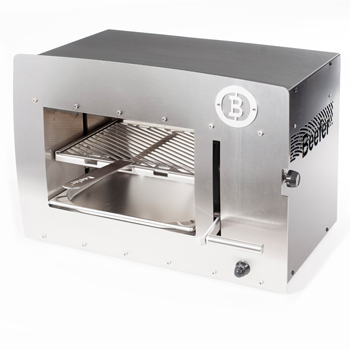
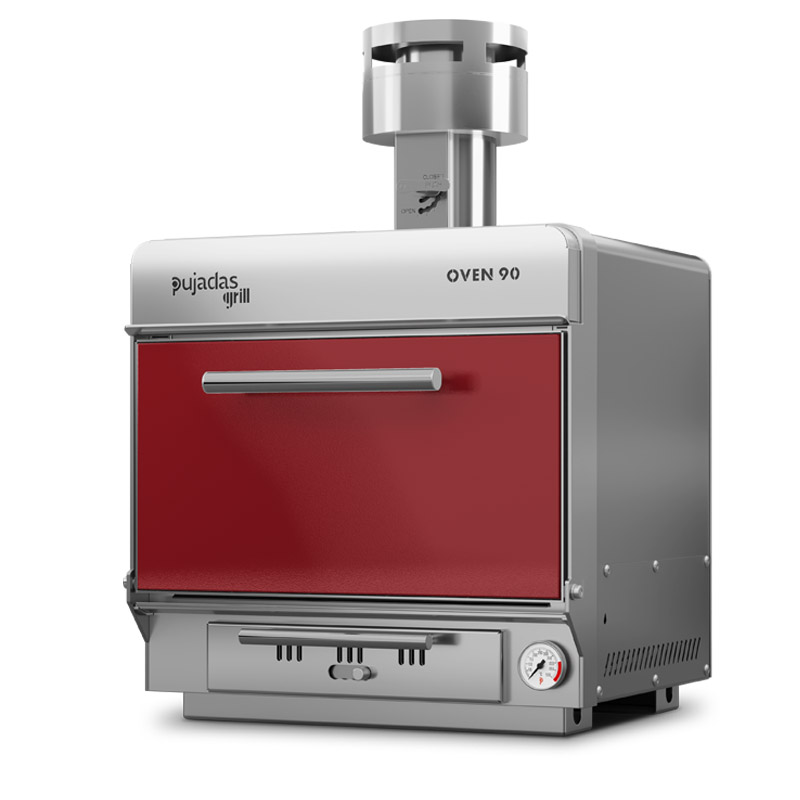
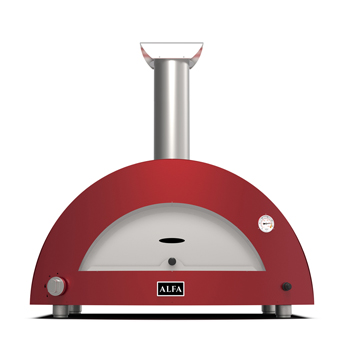
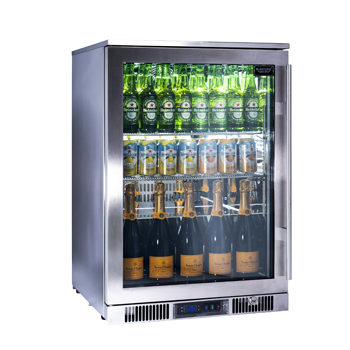
Alfa Forni pizza ovens | Flamery Asado grills | Beefer grill | Konro grills UK | Pujadas charcoal ovens | Blastcool outdoor fridges
Related Posts
White Pizza
Potato, Olive and Smoked Cheddar Pizza
Carbonara Pizza Oven Bites
Caramelised Red Onion, Squash and Kale Pizza