Roasting meat over charcoal brings a different kind of satisfaction. It is slower, more considered, and deeply rewarding.
A charcoal oven creates the ideal environment for roasting, combining enclosed heat with subtle charcoal flavour. The result is meat that is tender, evenly cooked and full of character, with a beautifully developed exterior.
From whole chickens to larger cuts of lamb or beef, roasting in a charcoal oven opens up a more refined way to cook with fire.
Why Use a Charcoal Oven for Roasting?
Roasting requires consistency and control.
A charcoal oven provides both, allowing heat to circulate evenly around the meat while maintaining a stable temperature.
You benefit from:
🔥 Even heat distribution
🔥 Controlled cooking environment
🔥 Natural charcoal flavour
🔥 The ability to combine roasting and finishing techniques
This creates meat that is cooked through evenly while retaining moisture and flavour.
Choosing the Right Cuts
Roasting works best with slightly larger cuts that benefit from slower cooking.
Ideal options include:
• Whole chicken
• Lamb shoulder or leg
• Beef joints
• Pork shoulder
These cuts respond well to steady heat and develop deeper flavour over time.
Preparing the Meat
Preparation is simple but important.
Before cooking:
• Bring meat to room temperature
• Season generously with salt
• Add herbs, garlic or oil if desired
• Score fat where appropriate
Keeping seasoning balanced allows the charcoal flavour to come through.
Setting Up the Oven
For roasting, you are aiming for moderate, stable heat rather than intense searing temperatures.
Setup:
• Light charcoal and allow it to stabilise
• Reduce airflow slightly to control intensity
• Position grill higher away from direct heat
• Create a cooler zone if needed
This creates the ideal roasting environment.
The Roasting Method
Step 1: Initial Sear (Optional)
For some cuts, you may want to begin with a brief sear to develop colour.
Place the meat closer to the heat for a short period, then move it to a higher position.
Step 2: Roast Gently
Move the meat to a moderate heat zone.
Close the oven to allow heat to circulate and cook evenly.
Step 3: Monitor and Adjust
Maintain consistent airflow and check occasionally.
Avoid opening the oven too frequently, as this releases heat.
Step 4: Finish if Needed
You can return the meat closer to the heat at the end to crisp the exterior or render fat.
Roasting times will vary depending on the cut and size.
General guidance:
• Cook at moderate heat
• Use a thermometer for accuracy
• Allow for resting time after cooking
Internal temperature is the best way to ensure consistency.
Resting the Meat
Resting is essential after roasting.
Allow the meat to sit for 10 to 20 minutes depending on size.
This helps retain juices and improves texture.
Flavour Enhancements
Charcoal roasting works best with simple, complementary flavours.
Try:
• Garlic and rosemary
• Lemon and herbs
• Olive oil and sea salt
• Light spice rubs
These enhance without overpowering the natural flavour.
Common Mistakes to Avoid
Roasting rewards patience and control.
Avoid:
• Cooking at too high a temperature
• Opening the oven too often
• Over seasoning
• Skipping resting time
Consistency comes from a steady approach.
Choosing the Right Way to Roast with Charcoal
Roasting in a charcoal oven offers a level of control and flavour that is difficult to achieve with conventional outdoor cooking.
While a standard grill can handle larger cuts, it often lacks the consistency needed for even roasting.
A charcoal oven creates a more stable and controlled environment, allowing meat to cook gently while developing depth of flavour and a well finished exterior.
For those looking to expand beyond grilling, it adds a more considered and rewarding approach to outdoor cooking.
Choosing the right Alfa Forni pizza oven size is essential to match your cooking needs, space, and lifestyle. Alfa Forni offers a range of ovens, from compact models for home use to large ovens designed for entertaining or professional settings. Consider Your Cooking Frequency Occasional Use: Smaller ovens like the Moderno 2 Pizze or Moderno [...]
Using Wine Shelf Packs to Maximise Storage in Your Outdoor Fridge Outdoor fridges work hardest when they are organised with intention. As entertaining becomes more wine led, shelves designed for general storage quickly show their limits. Wine shelf packs for outdoor fridges offer a simple way to improve organisation, protect bottles and make better use [...]
Grilling the Perfect Croque Monsieur on the Beefer The Beefer is not just for steaks. Its intense heat and ceramic design bring restaurant-quality results to classic comfort foods like the Croque Monsieur. Achieve the perfect golden crust and gooey cheese with professional precision, right at home. 🔥 Why Heat Matters The Beefer’s extreme temperature ensures [...]
The Art of Fire Fillet Steak with Red Wine Reduction A classic reborn in flame There’s something timeless about a fillet steak cooked perfectly — tender, buttery, and full of natural flavour. But when it meets the Beefer Grill, it becomes something truly special. The Beefer’s searingly hot ceramic burner reaches up to 800 degrees [...]


The Pujadas Cooking Guide – How to Roast Meat in a Charcoal Oven
How to Roast Meat in a Charcoal Oven
Slow Cooking with Depth of Flavour and Control
Roasting meat over charcoal brings a different kind of satisfaction. It is slower, more considered, and deeply rewarding.
A charcoal oven creates the ideal environment for roasting, combining enclosed heat with subtle charcoal flavour. The result is meat that is tender, evenly cooked and full of character, with a beautifully developed exterior.
From whole chickens to larger cuts of lamb or beef, roasting in a charcoal oven opens up a more refined way to cook with fire.
Why Use a Charcoal Oven for Roasting?
Roasting requires consistency and control.
A charcoal oven provides both, allowing heat to circulate evenly around the meat while maintaining a stable temperature.
You benefit from:
🔥 Even heat distribution
🔥 Controlled cooking environment
🔥 Natural charcoal flavour
🔥 The ability to combine roasting and finishing techniques
This creates meat that is cooked through evenly while retaining moisture and flavour.
Choosing the Right Cuts
Roasting works best with slightly larger cuts that benefit from slower cooking.
Ideal options include:
• Whole chicken
• Lamb shoulder or leg
• Beef joints
• Pork shoulder
These cuts respond well to steady heat and develop deeper flavour over time.
Preparing the Meat
Preparation is simple but important.
Before cooking:
• Bring meat to room temperature
• Season generously with salt
• Add herbs, garlic or oil if desired
• Score fat where appropriate
Keeping seasoning balanced allows the charcoal flavour to come through.
Setting Up the Oven
For roasting, you are aiming for moderate, stable heat rather than intense searing temperatures.
Setup:
• Light charcoal and allow it to stabilise
• Reduce airflow slightly to control intensity
• Position grill higher away from direct heat
• Create a cooler zone if needed
This creates the ideal roasting environment.
The Roasting Method
Step 1: Initial Sear (Optional)
For some cuts, you may want to begin with a brief sear to develop colour.
Place the meat closer to the heat for a short period, then move it to a higher position.
Step 2: Roast Gently
Move the meat to a moderate heat zone.
Close the oven to allow heat to circulate and cook evenly.
Step 3: Monitor and Adjust
Maintain consistent airflow and check occasionally.
Avoid opening the oven too frequently, as this releases heat.
Step 4: Finish if Needed
You can return the meat closer to the heat at the end to crisp the exterior or render fat.
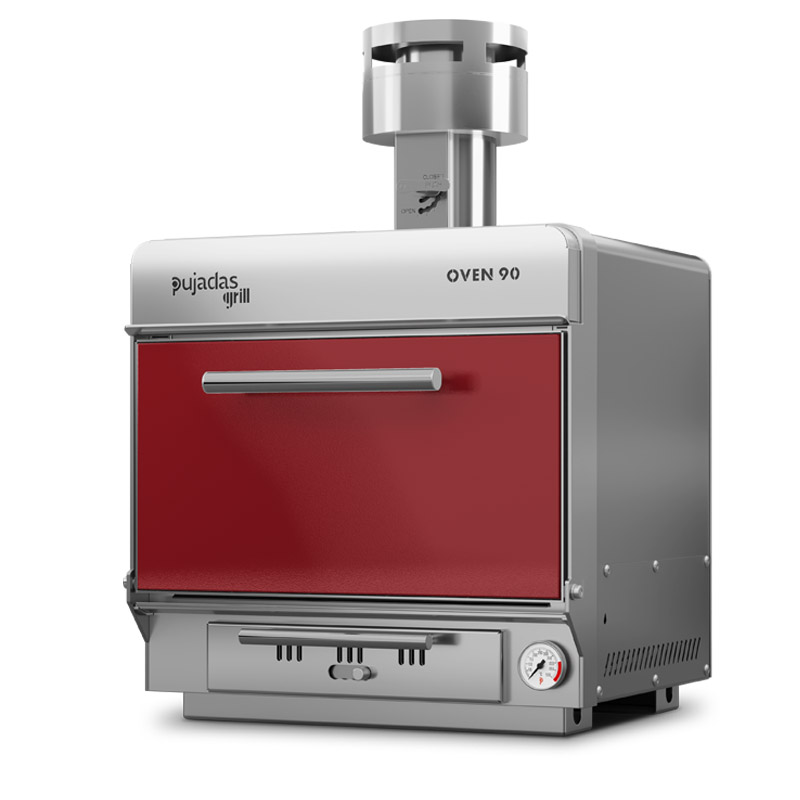
👉 Explore the Pujadas Charcoal Oven range
Cooking Times and Temperature
Roasting times will vary depending on the cut and size.
General guidance:
• Cook at moderate heat
• Use a thermometer for accuracy
• Allow for resting time after cooking
Internal temperature is the best way to ensure consistency.
Resting the Meat
Resting is essential after roasting.
Allow the meat to sit for 10 to 20 minutes depending on size.
This helps retain juices and improves texture.
Flavour Enhancements
Charcoal roasting works best with simple, complementary flavours.
Try:
• Garlic and rosemary
• Lemon and herbs
• Olive oil and sea salt
• Light spice rubs
These enhance without overpowering the natural flavour.
Common Mistakes to Avoid
Roasting rewards patience and control.
Avoid:
• Cooking at too high a temperature
• Opening the oven too often
• Over seasoning
• Skipping resting time
Consistency comes from a steady approach.
Choosing the Right Way to Roast with Charcoal
Roasting in a charcoal oven offers a level of control and flavour that is difficult to achieve with conventional outdoor cooking.
While a standard grill can handle larger cuts, it often lacks the consistency needed for even roasting.
A charcoal oven creates a more stable and controlled environment, allowing meat to cook gently while developing depth of flavour and a well finished exterior.
For those looking to expand beyond grilling, it adds a more considered and rewarding approach to outdoor cooking.
👉 Browse the Pujadas Charcoal Oven collection
Alfa Forni pizza ovens | Flamery Asado grills | Beefer grill | Konro grills UK | Pujadas charcoal ovens | Blastcool outdoor fridges
Related Posts
How to Choose the Perfect Alfa Forni Pizza Oven Size
Wine Shelf Packs for Outdoor Fridges | Blastcool Storage Guide
The Beefer Grill: the Perfect Croque Monsieur
The Art of Fire – Fillet Steak with Red Wine Reduction