The Pujadas Cooking Guide How to Control Temperature in a Charcoal Oven
How to Control Temperature in a Charcoal Oven
Mastering Heat for Better Outdoor Cooking
Controlling temperature is at the heart of charcoal oven cooking. While it may seem unpredictable at first, it quickly becomes intuitive once you understand the relationship between charcoal, airflow and positioning.
Unlike gas or electric cooking, you are working with a live heat source. The reward is greater control, deeper flavour and a more engaging way to cook.
Understanding How Heat Works
A charcoal oven generates heat through burning charcoal, but it is the management of that heat that defines your results.
Three elements control temperature:
🔥 The amount of charcoal
🔥 The airflow through the oven
🔥 The position of your food
Master these, and you control the oven.
Using Airflow to Control Heat
Airflow is your primary control.
More oxygen feeds the fire, increasing temperature. Reducing airflow lowers the heat.
Key controls:
• Air intake vent increases or restricts oxygen
• Exhaust vent controls how heat escapes
Practical approach:
• Open vents to raise temperature quickly
• Partially close vents to stabilise heat
• Reduce airflow for slower, gentler cooking
Small adjustments make a noticeable difference.
Managing Charcoal Levels
Charcoal is your fuel, and the quantity directly affects heat output.
For higher temperatures:
• Use more charcoal
• Keep it evenly distributed
• Maintain strong airflow
For lower temperatures:
• Use less charcoal
• Allow heat to settle
• Reduce airflow slightly
Avoid adding too much charcoal at once. Build heat gradually for better control.
Creating Heat Zones
A charcoal oven allows you to create different temperature areas within the same space.
This gives you flexibility similar to a professional kitchen.
How to set up zones:
• Concentrate charcoal on one side for high heat
• Leave a cooler area for slower cooking
• Use higher grill levels to reduce intensity
You can sear, cook and rest food all at the same time.
Using Grill Height to Adjust Heat
Distance from the charcoal plays a major role in cooking intensity.
Closer to the charcoal:
🔥 Higher heat
🔥 Faster cooking
🔥 Stronger searing
Further from the charcoal:
• Lower heat
• More even cooking
• Better for delicate foods
This is one of the simplest ways to fine tune your cooking.
Cooking at Different Temperature Levels
Understanding when to use different heat levels is key.
High Heat
Ideal for:
• Steak and burgers
• Quick searing
• Thin cuts of meat
🧽 Built to Last: Caring for Your Flamery Konro for Years of Fire Cooking A grill made for the long run When you invest in a Flamery Konro Pro 5.4, you are not just buying a grill. You are choosing a piece of equipment designed to last a lifetime. With the right care, your Konro [...]
Fire Management Made Simple Controlling Heat on a Flamery Grill The secret to perfect asado cooking is not just the cut of meat but how you manage the fire. With a Flamery Asado Grill, you are in control of flames, embers and heat zones. Mastering these skills means every meal, from slow cooked ribs to [...]
🍢 The Art of Konro Grilling: From Japan to Your Table A flame that tells a story There is something mesmerising about cooking over real fire. The sound of charcoal crackling, the glow of the embers, the scent of food caramelising in the heat. For centuries, Japanese chefs have mastered this art through a style [...]
How to Use a Charcoal Oven A Practical Guide for Home Outdoor Cooking Cooking with a charcoal oven might look technical at first, but in reality it is a simple and highly rewarding way to cook with fire. Once you understand a few core principles, the oven becomes intuitive. Heat becomes something you control, not [...]


The Pujadas Cooking Guide – How to Control Temperature in a Charcoal Oven
The Pujadas Cooking Guide How to Control Temperature in a Charcoal Oven
How to Control Temperature in a Charcoal Oven
Mastering Heat for Better Outdoor Cooking
Controlling temperature is at the heart of charcoal oven cooking. While it may seem unpredictable at first, it quickly becomes intuitive once you understand the relationship between charcoal, airflow and positioning.
Unlike gas or electric cooking, you are working with a live heat source. The reward is greater control, deeper flavour and a more engaging way to cook.
Understanding How Heat Works
A charcoal oven generates heat through burning charcoal, but it is the management of that heat that defines your results.
Three elements control temperature:
🔥 The amount of charcoal
🔥 The airflow through the oven
🔥 The position of your food
Master these, and you control the oven.
Using Airflow to Control Heat
Airflow is your primary control.
More oxygen feeds the fire, increasing temperature. Reducing airflow lowers the heat.
Key controls:
• Air intake vent increases or restricts oxygen
• Exhaust vent controls how heat escapes
Practical approach:
• Open vents to raise temperature quickly
• Partially close vents to stabilise heat
• Reduce airflow for slower, gentler cooking
Small adjustments make a noticeable difference.
Managing Charcoal Levels
Charcoal is your fuel, and the quantity directly affects heat output.
For higher temperatures:
• Use more charcoal
• Keep it evenly distributed
• Maintain strong airflow
For lower temperatures:
• Use less charcoal
• Allow heat to settle
• Reduce airflow slightly
Avoid adding too much charcoal at once. Build heat gradually for better control.
Creating Heat Zones
A charcoal oven allows you to create different temperature areas within the same space.
This gives you flexibility similar to a professional kitchen.
How to set up zones:
• Concentrate charcoal on one side for high heat
• Leave a cooler area for slower cooking
• Use higher grill levels to reduce intensity
You can sear, cook and rest food all at the same time.
Using Grill Height to Adjust Heat
Distance from the charcoal plays a major role in cooking intensity.
Closer to the charcoal:
🔥 Higher heat
🔥 Faster cooking
🔥 Stronger searing
Further from the charcoal:
• Lower heat
• More even cooking
• Better for delicate foods
This is one of the simplest ways to fine tune your cooking.
Cooking at Different Temperature Levels
Understanding when to use different heat levels is key.
High Heat
Ideal for:
• Steak and burgers
• Quick searing
• Thin cuts of meat
Medium Heat
Ideal for:
• Chicken
• Seafood
• Vegetables
Lower Heat
Ideal for:
• Larger cuts of meat
• Slow roasting
• Finishing dishes
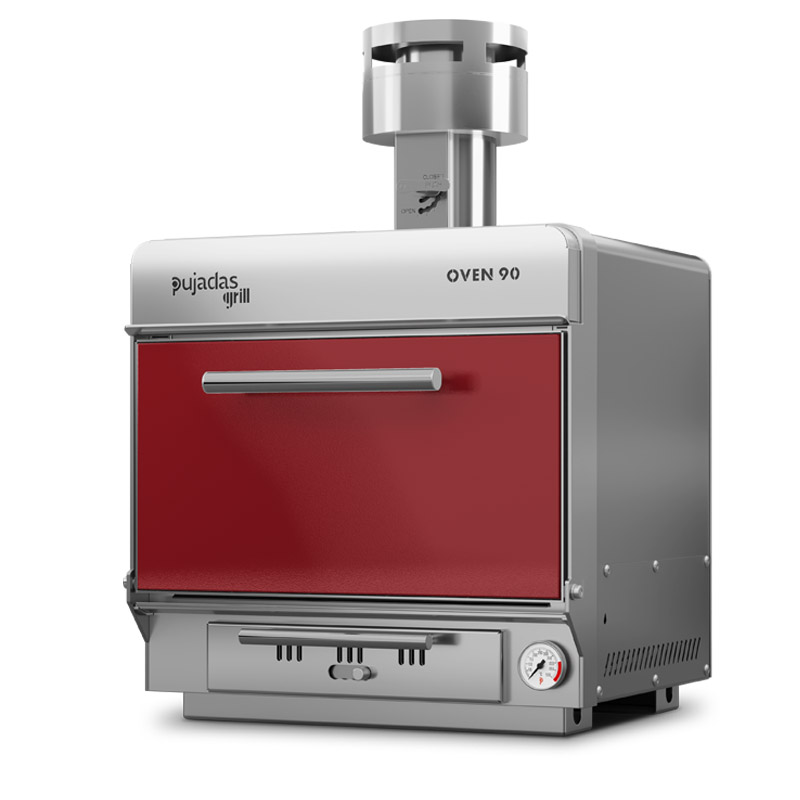
👉 Explore the Pujadas Charcoal Oven range
Common Mistakes to Avoid
Even experienced cooks can lose control of heat if they overlook a few basics.
Avoid:
• Constantly opening the oven door
• Adding too much charcoal at once
• Ignoring airflow adjustments
• Overcrowding the cooking area
Consistency comes from small, controlled adjustments.
Learning to Read the Heat
With time, you will begin to recognise how the oven behaves.
You will notice:
• The colour and intensity of the charcoal
• How quickly food cooks
• How airflow changes temperature
This instinctive understanding is what makes charcoal cooking so rewarding.
Bringing It All Together
Controlling temperature in a charcoal oven is not about exact numbers. It is about understanding how heat behaves and how to guide it.
By managing airflow, charcoal levels and positioning, you can cook with precision and confidence.
Once mastered, it opens the door to a far wider range of cooking styles and consistently better results.
👉 Browse the Pujadas Charcoal Oven collection
Alfa Forni pizza ovens | Flamery Asado grills | Beefer grill | Konro grills UK | Pujadas charcoal ovens | Blastcool outdoor fridges
Related Posts
Built to Last: Caring for Your Flamery Konro for Years of Fire Cooking
Mastering Grilling The Best Cuts for Your Flamery Grill
The Art of Konro Grilling: From Japan to Your Table A flame that tells a story
The Pujadas Cooking Guide – How to Use a Charcoal Oven