🔥 Binchotan and Beyond: Choosing the Right Charcoal for Konro Cooking
The fuel behind the flame
Every Konro cook knows that the fire is only as good as the charcoal beneath it. The fuel you choose defines the flavour, the heat, and the overall experience. In Japan, Binchotan charcoal has long been the gold standard for Konro grilling. Its pure white embers and steady, controlled heat create the signature sear that makes this cooking style so special.
But Binchotan is not the only option. For everyday use, there are excellent alternatives that balance performance, availability, and cost — and each brings its own character to the fire.
Understanding Binchotan
Binchotan is a traditional Japanese hardwood charcoal, made through a slow, high temperature carbonisation process. It burns cleanly, produces little smoke, and reaches incredibly high temperatures while lasting for hours.
Its dense structure means it lights slowly, but once glowing, it radiates a deep, consistent heat ideal for the Flamery Konro Pro 5.4. Food cooks evenly, and the subtle mineral aroma enhances flavour without overpowering it.
While authentic Binchotan can be more expensive, it offers unmatched control and refinement — perfect for special occasions or when you want to experience Konro cooking at its finest.
Great alternatives for everyday grilling
For regular use, high quality lumpwood charcoal is an excellent choice. It lights faster, delivers strong heat, and is easy to find across the UK. Look for natural, restaurant grade varieties made from sustainable hardwoods such as oak or birch.
Avoid briquettes or compressed charcoal, as these often contain fillers that affect both burn quality and taste. A clean lumpwood fire gives you much of the precision of Binchotan, with the practicality of quicker lighting and shorter cooking sessions.
For longer, social cooks, mixing a few pieces of Binchotan with lumpwood creates a beautiful balance — the quick light of lumpwood with the lasting heat of Binchotan.
Preparing and lighting your charcoal
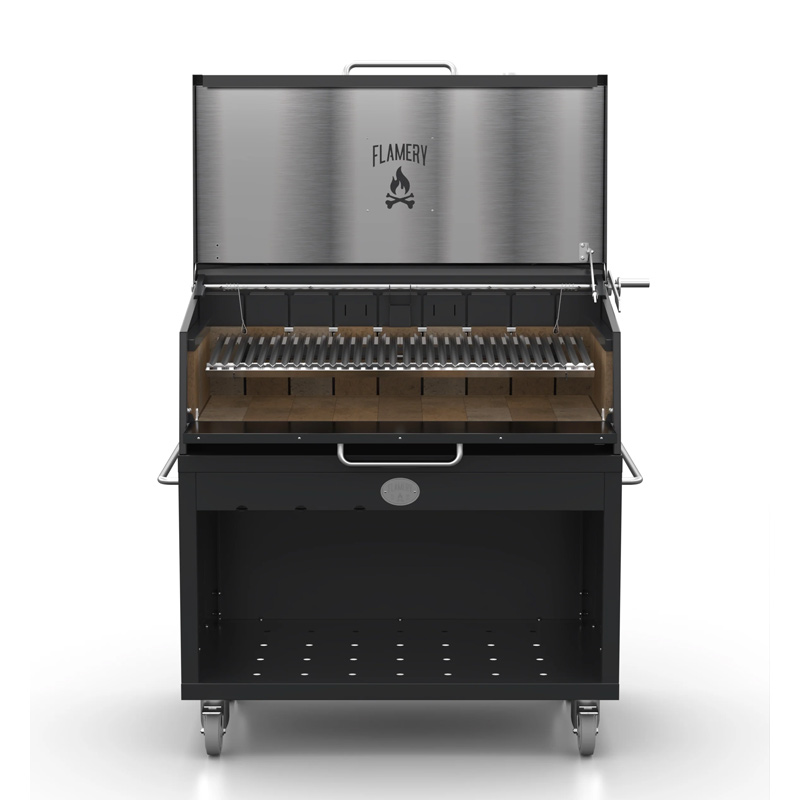
For the best results, allow enough time for the coals to reach their ideal glow before cooking. In the Flamery Konro Pro 5.4, the insulated vermiculite walls help concentrate the heat, meaning less fuel is needed to achieve searing temperatures.
Use a chimney starter to light your charcoal evenly. Avoid lighter fluids, as they can leave unpleasant flavours. When the coals are glowing red with a light layer of ash, spread them evenly and let the grill come to temperature.
The goal is balance — a strong, clean heat that cooks evenly and enhances natural flavours.
Find your perfect fire
Every cook develops a personal preference for the type of charcoal they use. Some love the refined control of Binchotan, while others enjoy the rustic flavour of lumpwood. What matters most is the relationship between you, your grill, and the flame.
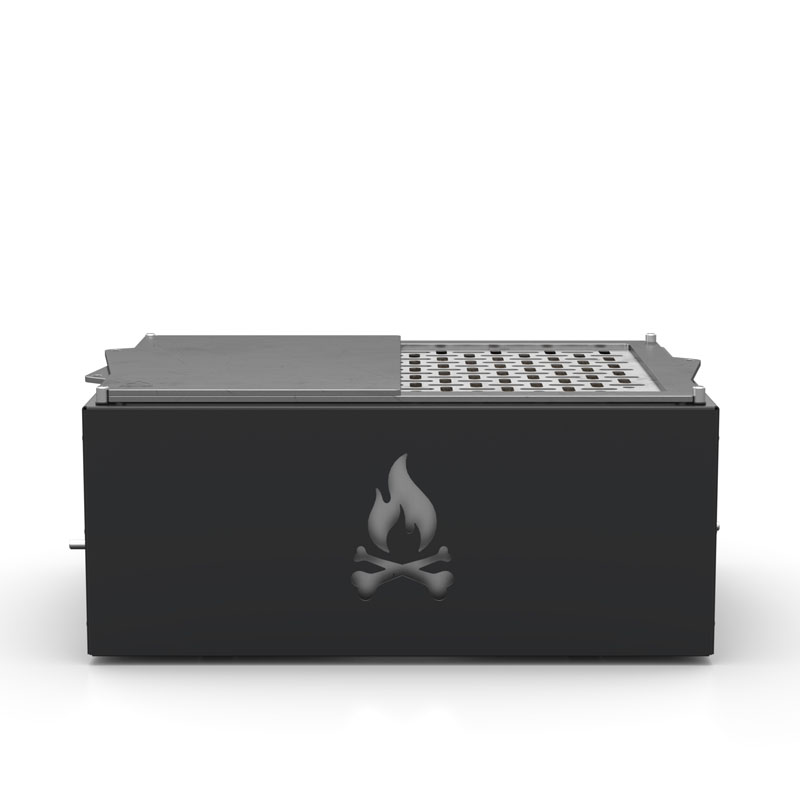
The Flamery Konro Pro 5.4 Table Top Grill is designed to make the most of whichever fuel you choose — giving you control, efficiency, and the unmistakable taste of cooking over real fire.
👉 Explore the full Flamery Konro collection and experience the joy of fire cooking with the perfect charcoal for your style.
Slow Cooking vs High Heat Mastering Different Styles in Your Alfa Oven One of the greatest strengths of an Alfa Forni oven is its versatility. With the ability to reach extreme temperatures quickly and retain heat for hours, you can master both slow cooking and high heat cooking in one oven. Here is how to [...]
Charcoal Oven vs Gas Grill Which Is Better for Outdoor Cooking? Gas grills are a familiar choice for outdoor cooking. They are quick to light, easy to control and convenient for everyday use. Charcoal ovens take a different approach. They prioritise flavour, heat intensity and versatility, offering a more involved but more rewarding cooking experience. [...]
The Perfect Sides for Your Asado Feast An asado is not only about meat. The sides complete the feast, adding freshness, texture and balance. With a Flamery Asado Grill, you can prepare vegetables, breads and sauces over the same fire, making every dish part of the experience. 🌽 1. Grilled Vegetables Full of Flavour Vegetables [...]
There is a noticeable difference between cooking on a lightweight mass produced barbecue and cooking on a handcrafted steel grill built for live fire performance. The heavier steel construction used throughout the Blok range absorbs and retains heat far more effectively, creating stable cooking temperatures and stronger caramelisation across the grill surface. This heat retention [...]


Binchotan and Beyond: Choosing the Right Charcoal for Konro Cooking
🔥 Binchotan and Beyond: Choosing the Right Charcoal for Konro Cooking
The fuel behind the flame
Every Konro cook knows that the fire is only as good as the charcoal beneath it. The fuel you choose defines the flavour, the heat, and the overall experience. In Japan, Binchotan charcoal has long been the gold standard for Konro grilling. Its pure white embers and steady, controlled heat create the signature sear that makes this cooking style so special.
But Binchotan is not the only option. For everyday use, there are excellent alternatives that balance performance, availability, and cost — and each brings its own character to the fire.
Understanding Binchotan
Binchotan is a traditional Japanese hardwood charcoal, made through a slow, high temperature carbonisation process. It burns cleanly, produces little smoke, and reaches incredibly high temperatures while lasting for hours.
Its dense structure means it lights slowly, but once glowing, it radiates a deep, consistent heat ideal for the Flamery Konro Pro 5.4. Food cooks evenly, and the subtle mineral aroma enhances flavour without overpowering it.
While authentic Binchotan can be more expensive, it offers unmatched control and refinement — perfect for special occasions or when you want to experience Konro cooking at its finest.
Great alternatives for everyday grilling
For regular use, high quality lumpwood charcoal is an excellent choice. It lights faster, delivers strong heat, and is easy to find across the UK. Look for natural, restaurant grade varieties made from sustainable hardwoods such as oak or birch.
Avoid briquettes or compressed charcoal, as these often contain fillers that affect both burn quality and taste. A clean lumpwood fire gives you much of the precision of Binchotan, with the practicality of quicker lighting and shorter cooking sessions.
For longer, social cooks, mixing a few pieces of Binchotan with lumpwood creates a beautiful balance — the quick light of lumpwood with the lasting heat of Binchotan.
Preparing and lighting your charcoal
For the best results, allow enough time for the coals to reach their ideal glow before cooking. In the Flamery Konro Pro 5.4, the insulated vermiculite walls help concentrate the heat, meaning less fuel is needed to achieve searing temperatures.
Use a chimney starter to light your charcoal evenly. Avoid lighter fluids, as they can leave unpleasant flavours. When the coals are glowing red with a light layer of ash, spread them evenly and let the grill come to temperature.
The goal is balance — a strong, clean heat that cooks evenly and enhances natural flavours.
Find your perfect fire
Every cook develops a personal preference for the type of charcoal they use. Some love the refined control of Binchotan, while others enjoy the rustic flavour of lumpwood. What matters most is the relationship between you, your grill, and the flame.
The Flamery Konro Pro 5.4 Table Top Grill is designed to make the most of whichever fuel you choose — giving you control, efficiency, and the unmistakable taste of cooking over real fire.
👉 Explore the full Flamery Konro collection and experience the joy of fire cooking with the perfect charcoal for your style.
Alfa Forni pizza ovens | Flamery Asado grills | Beefer grill | Konro grills UK | Pujadas charcoal ovens | Blastcool outdoor fridges
Related Posts
Slow Cooking vs High Heat Mastering Different Styles in Your Alfa Oven
The Pujadas Cooking Guide – Charcoal Oven vs Gas Grill
The Perfect Sides for Your Asado Feast
Why Handcrafted Steel Grills Perform Differently